
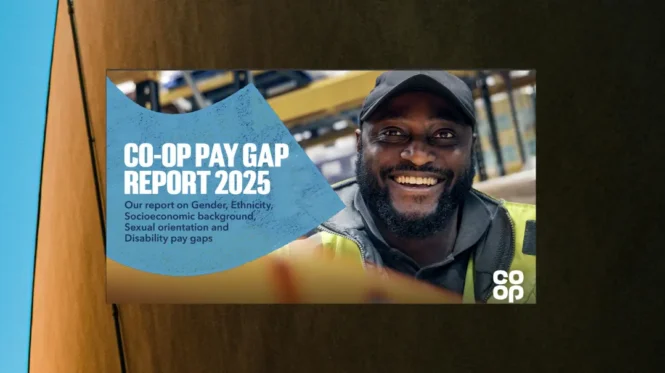
In June, Co-op published something we think is a first for the UK grocery sector: a supplier gender pay gap analysis covering more than 200 organisations across Co-op’s supply chain.
The analysis combined publicly reported gender pay gap data from 237 Co-op suppliers with deeper assessment work carried out with a group of strategic partners. Verisio supported the operational side of that deeper assessment – talking to suppliers, gathering evidence, and helping build a clearer picture of what the workplace practices behind the numbers actually look like.
The headline findings
The mean gender pay gap across the supplier base is 7.5%, against a UK benchmark of 11.5%. 67% of suppliers sit below the median UK benchmark. Progress is being made across the supplier network.
But those figures sit alongside something else: on average, around a third of senior leadership positions across suppliers are held by women. A relatively low pay gap and limited senior representation can exist at the same organisation at the same time and understanding how that happens is exactly the kind of thing that aggregate reporting data doesn’t show you.
What the deeper work revealed
The assessment phase gave Co-op something more useful than a league table. It identified where strong practice already exists across the supplier network – better demographic data collection, more inclusive hiring approaches, longer-term action planning – and where additional support could make a difference.
It also highlighted significant variation in supplier readiness: some organisations are well placed for future reporting requirements, others are still developing the data infrastructure to collect and act on meaningful information.
The point of surfacing that variation isn’t to name and shame. It’s to understand where collaboration and support can have the most impact – which is a different question from where the gap is biggest.
Why supply chain matters for this conversation
Organisations often think about gender pay gap in terms of the people they directly employ. But supply chains affect far more people and are much harder to understand. Most large retailers and brands have hundreds of supplier relationships, each representing a workforce that their procurement decisions influence, even if they don’t directly manage.
This analysis was designed to help Co-op understand what impact it can have through the companies it buys from – not just the people it directly employs.
That’s the question we think more procurement and responsible sourcing teams should be asking. The commercial relationships at the heart of supply chains are also relationships with workplaces. They carry some influence. The question is whether that influence is being used.
What comes next
Co-op will use the findings to inform how it supports suppliers through its supplier engagement programme — building on existing tools including its Gender Pay Gap Toolkit and supplier learning programmes, with a focus on practical action rather than further reporting for its own sake.


